
What Is an American Jew?
[Inspired by Enid Dame]
Our grandfathers worked as tailors,
union organizers,
or in rural communes
where anarchists and communists battled relentlessly
about ideologically-correct procedures
to slaughter chickens.
But that is history. Now,
if you tell us you visited unmet relatives
in the Old Country,
saw grandparents’ homes or ancestral temples,
we smile at your happiness
while our minds peck hopelessly to escape their shells,
searching for any kernel of kinship
while our stomachs run headless
through lifetimes bereft of kin.
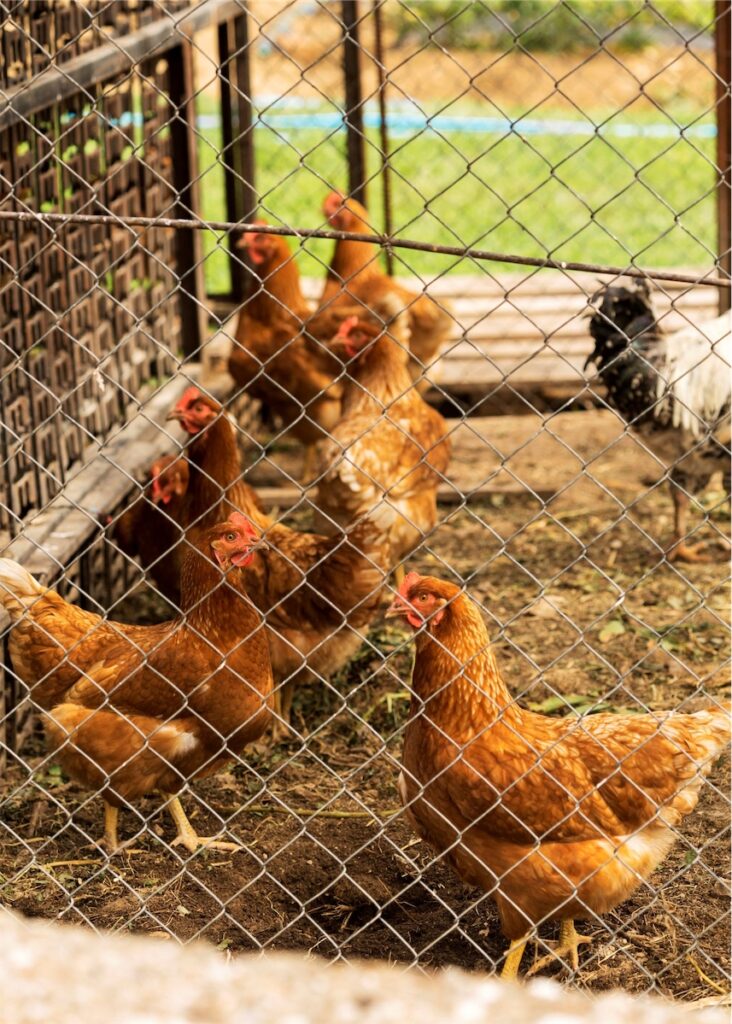
If we visit a chicken farm,
we become brooding hens,
dream for months
about the view from inside a Nazi cage
eating a few pellets a day,
waiting to be plucked, sliced,
gas-roasted.
We try to forget
by refusing to forget,
by imagining Israeli relatives
who may not exist,
by sending money and weaponry
to enslave a people
whose land these relatives
now covet, now encage.
At our best, we are prophets,
Noahs in a storm of lies,
who open chickens’ cages,
who invent slogans
from ill-remembered Old-Country struggles
and the book of Moses,
who argue incessantly
but who chant loudly with the brooding chickens
“All power to those in cages!
“All power to those who make eggs!
Sensations Magazine, 2002 (Spring): 10-11. Reprinted in Home Planet News 50 (Vol. 12, No. 4), Spring 2004: p. 4. Reprinted in Grief and Rage, August, 2015. Reprinted at http://marxistsociology.org/2015/09/13/poem-what-is-an-american-jew-by-sam-friedman/
Shame’s echo
Imagine the inferno billowing inside
the ashen cheeks of an American
German
as she first heard of the Shoah,
took her first shower
after learning of gas-gushing plumbing.
Imagine her rueful shame
that she had not known,
not spoken against Hitler
while time yet remained,
perhaps at her having sent pennies
to plant a tree in Heidelberg.
Imagine her guilt,
fellow daughters and sons
of the Jewish American diaspora,
who support the Right of Return
for those who are entitled,
who support the bantustans,
barbed wire,
and impending ethnic murders
in what you call Yeretz Israel
but millennia of Palestinians
have called
“home.”
Published in Sam Friedman. 2016. Grief and Rage. Central Jersey Coalition against Endless War.
Never Again
Red stains the walls of the mosque of proud Hebron,
red on the floor and red on the ceiling,
as rage blossoms red in the hearts of the people,
but no anger remains in the eyes on the floor.
Some claim it was done by a single lone madman,
a nut born in Brooklyn, New York, USA,
who used a machine gun in red-anger fury,
or maybe in justice avenging his friend,
but the eyes on the floor knew instants of horror
at the guards who stood silent, who chose not to come,
as they honored the status of Jews as too godlike
to be bothered or shot at as they murdered their prey.
And fear rises yet in the hearts of the victims,
the Arabs whose lovers lie dead in the dust,
treated as servants or as rugs to be trod on,
or roaches to be killed in a moment of whim.
And the blood in the mosque cries wildly for wisdom,
and the barbed wire walls wail wildly for love,
while the fear and the hate and the loathing of killers
remind us that evil demands total change.
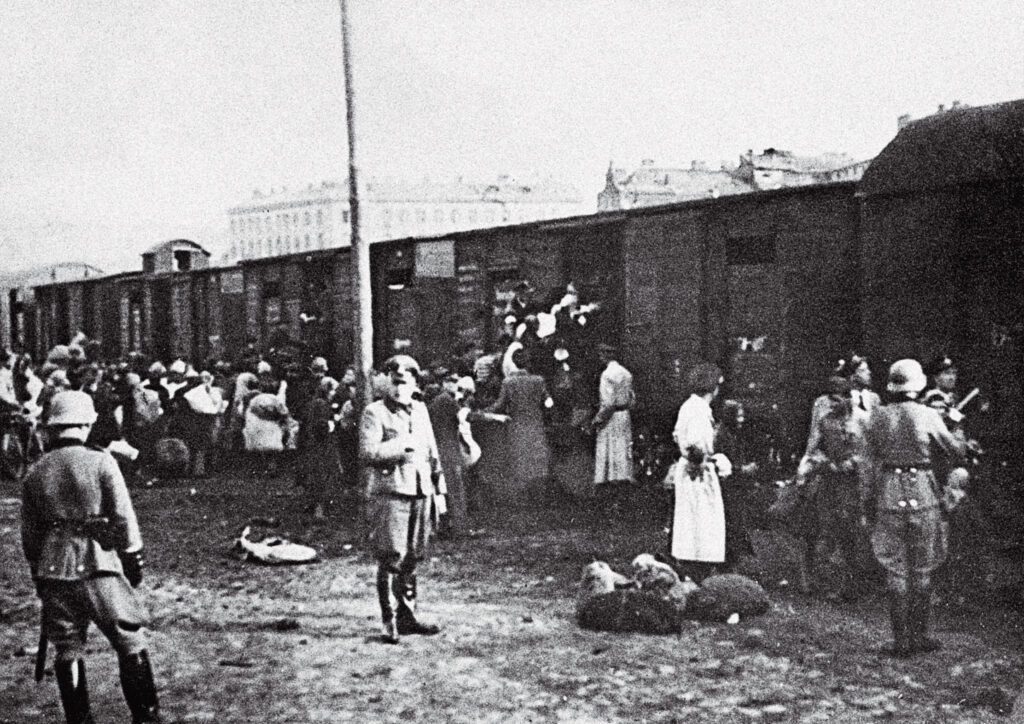
When millions of Jews filled the ovens in Poland,
then Roosevelt abandoned their lives and their pain,
turned refugees back, overseas to be slaughtered,
gave Hitler free passage for his railroads of doom,
but the survivors’ grown children now dress up as statesmen,
and they arm the grandchildren with weapons of war,
and plant them as guardsmen for orchards and temples,
and watch as their sons strut like Nazis reborn.
But the eyes on the floor reflect on these questions:
“Why do the tortured now torture others?
how can their children turn into wolves?
who will negate their power and fears?”
The lips of the dead ask these questions of strangers,
questions now written in blood on the floor:
“Who pays for these weapons? finances the bombers?
Who profits from lives which we spent in the dust?”
Paterson Literary Review 26 (1997): 75. Posted at
http://marxistsociology.org/